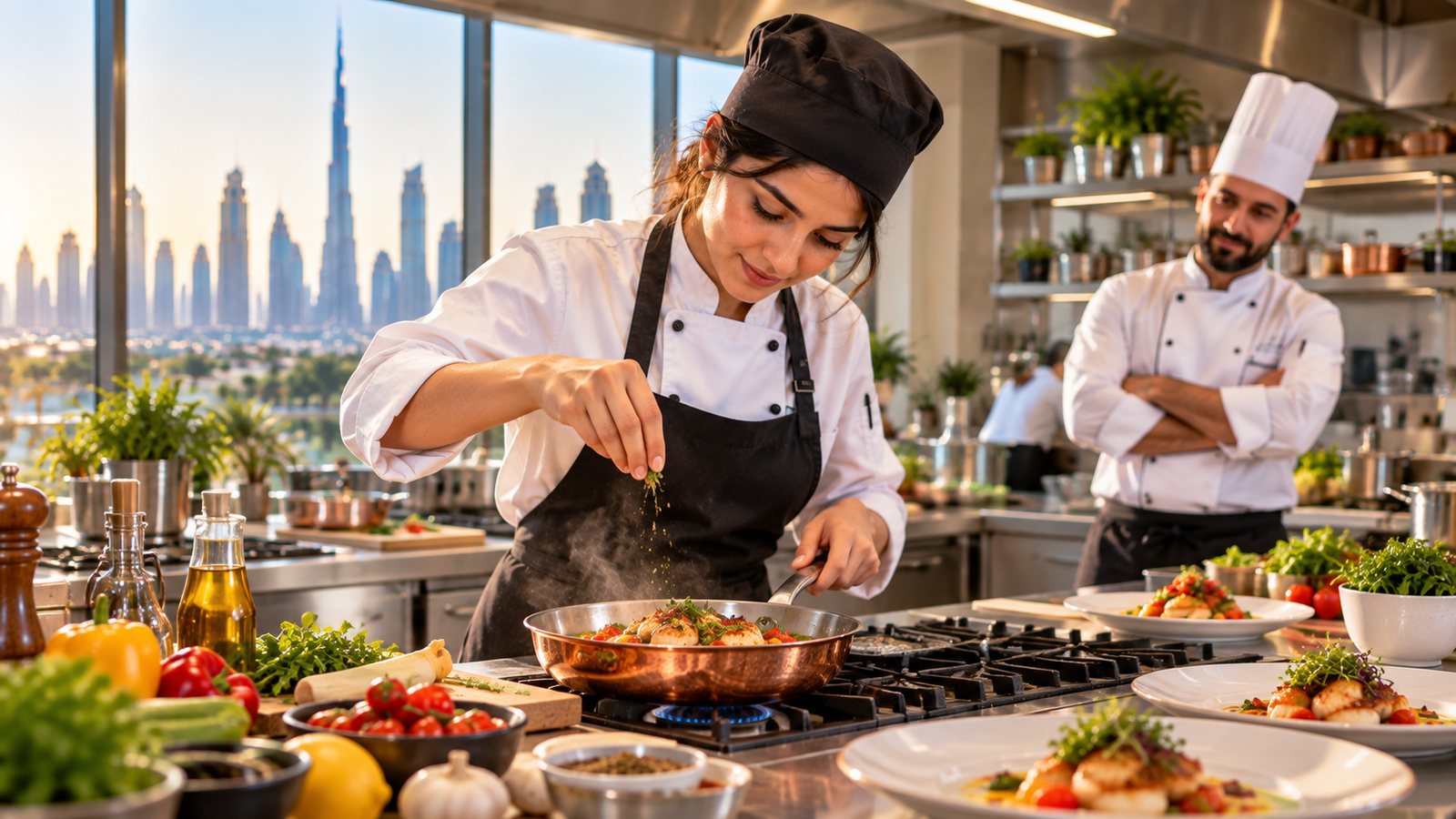
Complete Guide to Starting a Culinary Career in Dubai
Dubai's hospitality industry includes hotels, restaurants, cafes, resorts, catering companies, bakeries, and other food-service businesses. For people who enjoy cooking, food preparation, creativity, and working in a professional kitchen, this environment can provide different paths for developing a culinary career.
However, starting a culinary career in Dubai requires more than an interest in cooking. Professional culinary work requires technical skills, food safety knowledge, kitchen discipline, teamwork, time management, and the ability to maintain consistency under pressure.
For beginners, choosing the right training can make the learning process more structured. A suitable culinary course Dubai can introduce students to cooking techniques, food preparation, kitchen organization, food safety, presentation, and professional kitchen operations.
This guide explains how to start a culinary career in Dubai, what skills to develop, which types of training can help, how practical experience matters, and what potential career paths are available.
What Does a Culinary Professional Do?
Culinary professionals work with food preparation, cooking, presentation, and kitchen operations.
Responsibilities vary depending on the position and level of experience.
A culinary professional may be responsible for:
- Preparing ingredients
- Using knives and kitchen equipment
- Following recipes
- Cooking food
- Preparing sauces
- Controlling portions
- Plating dishes
- Maintaining hygiene
- Following food safety procedures
- Organizing a workstation
- Coordinating with kitchen staff
- Managing preparation schedules
As professionals gain experience, they may also become responsible for supervising staff, developing menus, controlling food costs, and managing kitchen operations.
How to Start a Culinary Career in Dubai
If you are wondering how to start a culinary career in Dubai, a structured approach can help.
A typical pathway may include:
- Learn basic culinary principles
- Develop food preparation skills
- Learn professional cooking techniques
- Study food safety and hygiene
- Complete practical culinary training
- Develop kitchen discipline
- Build practical experience
- Obtain relevant training certification
- Apply for suitable entry-level positions
- Continue developing specialized skills
The exact pathway can differ depending on your educational background, experience, and career goals.
Why Choose a Culinary Career in Dubai?
Dubai has a diverse hospitality environment that includes different types of food-service businesses.
Professionals may find opportunities across:
- Hotels
- Restaurants
- Cafes
- Resorts
- Catering companies
- Bakeries
- Food production businesses
- Private kitchens
- Institutional food services
This diversity means culinary professionals can explore different areas of specialization.
For example, someone interested in pastry may follow a different path from someone interested in hot kitchen operations or international cuisine.
Culinary Qualifications Dubai
Culinary qualifications Dubai can vary depending on the role and employer.
Some professionals enter the industry through formal culinary education, while others develop skills through professional courses and practical experience.
Potential educational routes can include:
- Culinary arts programs
- Hospitality programs
- Professional culinary courses
- Chef training
- Specialized cooking courses
- Food safety training
Employers may consider a combination of education, practical ability, experience, and professional skills.
Before applying for a specific role, candidates should review the employer's stated requirements.
Culinary Courses Dubai
Culinary courses Dubai can provide structured training for people interested in entering the hospitality industry.
A comprehensive course may include:
- Culinary fundamentals
- Food preparation
- Knife skills
- Cooking methods
- Sauces and stocks
- Meat and seafood preparation
- Vegetable preparation
- Food presentation
- Food safety
- Kitchen organization
For beginners, a course that combines classroom instruction with practical kitchen work can provide a useful foundation.
Culinary Course for Beginners Dubai
An culinary course for beginners Dubai can help people who have limited or no professional kitchen experience.
Beginner training can start with fundamental topics such as:
Kitchen Equipment
Students learn how common kitchen tools and equipment are used safely and effectively.
Knife Skills
Proper cutting techniques can improve consistency, preparation efficiency, and presentation.
Ingredient Preparation
Learners practice washing, peeling, cutting, measuring, portioning, and preparing ingredients.
Cooking Methods
Training can introduce methods such as:
- Boiling
- Steaming
- Roasting
- Baking
- Grilling
- Frying
- Sautéing
Food Presentation
Students learn basic principles of plating and presentation.
These fundamentals provide a foundation for more advanced culinary work.
Professional Culinary Course Dubai
A professional culinary course Dubai can provide training for people who want to develop skills relevant to commercial kitchen environments.
Professional training can cover:
- Advanced preparation
- Cooking techniques
- Kitchen organization
- Food safety
- Portion control
- Menu production
- Plating
- Ingredient management
- Kitchen workflow
Project-based practical work can help students understand how different skills come together during professional food production.
Culinary Arts Course Dubai
A culinary arts course Dubai can combine technical cooking skills with creativity.
Culinary arts involves understanding ingredients, flavors, textures, presentation, and cooking techniques.
Students may explore:
- Flavor combinations
- Seasoning
- Sauces
- Cooking temperatures
- Texture
- Presentation
- Menu concepts
- Ingredient selection
Professional culinary work requires both technical accuracy and an understanding of how different ingredients interact.
Chef Training Course Dubai
A chef training course Dubai can provide structured preparation for people who want to develop professional kitchen skills.
Depending on the level, training may cover:
- Knife skills
- Food preparation
- Stocks
- Sauces
- Meat
- Seafood
- Vegetables
- Cooking methods
- Plating
- Kitchen hygiene
- Kitchen organization
More advanced training can also introduce areas such as menu planning, kitchen supervision, food cost awareness, and team coordination.

Culinary Training Dubai
Culinary training Dubai can be useful for different types of learners.
It may suit:
- Beginners
- Fresh graduates
- Hospitality professionals
- Career changers
- Kitchen assistants
- Aspiring chefs
- Restaurant employees
Training should be selected according to the learner's current level.
Someone with no experience may need fundamental training, while an experienced kitchen employee may benefit from specialized or advanced instruction.
Practical Culinary Training Dubai
Practical experience is one of the most important parts of culinary education.
Practical culinary training Dubai allows students to prepare ingredients, use kitchen equipment, practice cooking methods, and prepare complete dishes.
A practical lesson may involve:
- Reviewing the recipe
- Preparing ingredients
- Setting up the workstation
- Cooking
- Checking seasoning
- Plating
- Cleaning and organizing the workstation
- Reviewing the result
This process allows students to understand how culinary theory is applied in a working kitchen.
Hands-On Culinary Training Dubai
Hands-on culinary training Dubai gives learners direct experience rather than relying entirely on demonstrations.
Students can practice techniques themselves while receiving instructor feedback.
Hands-on learning can help develop:
- Speed
- Accuracy
- Knife skills
- Cooking control
- Portion consistency
- Plating
- Kitchen organization
- Confidence
Repeated practice is important because professional cooking requires consistency.
Culinary Skills Dubai
A successful culinary professional needs several different skills.
Cooking Skills
These include understanding cooking methods, temperatures, timing, seasoning, and ingredient behavior.
Preparation Skills
Efficient preparation helps kitchens maintain smooth workflows.
Presentation Skills
Plating and presentation influence how food is perceived.
Food Safety Skills
Professionals need to understand safe food handling and hygiene.
Organizational Skills
Kitchen professionals need to manage ingredients, equipment, preparation schedules, and workstations.
Communication Skills
Professional kitchens depend on communication between team members.
Food Safety and Hygiene Skills
Food safety is an essential part of professional culinary work.
Training may cover:
- Personal hygiene
- Hand washing
- Cross-contamination prevention
- Safe food storage
- Temperature control
- Cleaning
- Sanitization
- Allergen awareness
- Safe handling of raw ingredients
Professionals should follow applicable food safety regulations and workplace procedures.
The Importance of Mise en Place
Mise en place is an important principle in professional kitchens.
It generally refers to preparing and organizing ingredients and equipment before cooking begins.
Good mise en place can involve:
- Preparing ingredients
- Measuring quantities
- Organizing tools
- Preparing sauces
- Checking equipment
- Setting up workstations
- Reviewing the production schedule
Effective preparation can make kitchen operations more organized and help reduce delays during service.
Culinary Certification Dubai
Culinary certification Dubai can provide documentation of completed training.
A certificate may demonstrate that an individual has successfully completed a particular culinary course.
However, candidates should consider more than certification when selecting a course.
Important factors include:
- Practical training
- Course curriculum
- Instructor experience
- Kitchen facilities
- Food safety coverage
- Skill level
- Project work
- Course structure
A certificate combined with practical ability and experience can provide a stronger professional profile.
Culinary School in Dubai
People searching for a culinary school in Dubai should compare programs carefully.
Look at:
- Course content
- Practical kitchen facilities
- Instructor experience
- Class structure
- Training duration
- Certification
- Specializations
- Practical project opportunities
Beginners should also check whether the program is designed for their current skill level.
How to Build Practical Culinary Experience
Completing a course is only one step toward developing a culinary career.
Students can continue building experience through:
- Internships
- Entry-level kitchen positions
- Restaurant work
- Hotel kitchen experience
- Catering projects
- Training assignments
- Personal cooking projects
Practical experience helps learners understand the pace, discipline, teamwork, and expectations of professional kitchens.
Culinary Jobs in Dubai
People looking for culinary jobs in Dubai can explore different entry-level and experienced positions.
Potential roles include:
- Kitchen assistant
- Commis chef
- Chef de partie
- Pastry assistant
- Line cook
- Cook
- Bakery assistant
- Catering cook
More experienced professionals may progress toward supervisory or management roles.
Job requirements vary by employer, so candidates should review each job description carefully.
Chef Career in Dubai
A chef career in Dubai can develop gradually as professionals gain experience and responsibility.
A possible career structure may look like:
Kitchen Assistant → Commis Chef → Chef de Partie → Sous Chef → Executive Chef
This is only one example. Actual career progression can vary depending on the workplace, specialization, experience, qualifications, and performance.
Some professionals may specialize in pastry, bakery, international cuisine, seafood, meat, or other culinary areas.
Culinary Career Opportunities Dubai
Culinary career opportunities Dubai can exist across several areas of hospitality.
Hotels
Hotel kitchens can include restaurants, banquets, room service, pastry sections, and other food operations.
Restaurants
Restaurants may offer opportunities in different cuisines and kitchen sections.
Catering
Catering operations involve preparing food for events, corporate functions, weddings, and other occasions.
Cafes and Bakeries
Professionals interested in baking, pastry, desserts, or casual food production can explore these environments.
Private Kitchens
Experienced culinary professionals may also work in private households or specialized food-service environments.
Culinary Career Path Dubai
A culinary career path Dubai can develop according to your specialization and professional goals.
One person may focus on traditional kitchen progression.
Another may specialize in pastry.
Someone else may develop expertise in catering or kitchen management.
A possible general progression is:
Entry-Level Kitchen Role → Junior Culinary Role → Specialized Chef Role → Supervisory Role → Kitchen Management
The skills required generally increase as responsibilities grow.
Culinary Job Training Dubai
Culinary job training Dubai can help beginners prepare for the practical demands of kitchen employment.
Job-focused training can emphasize:
- Speed
- Preparation
- Hygiene
- Teamwork
- Kitchen communication
- Equipment use
- Recipe following
- Portion control
- Food presentation
Students can also benefit from practicing under realistic time and workflow conditions.
How to Prepare for a Culinary Job Interview
Technical skills are important, but employers may also consider attitude, teamwork, discipline, and reliability.
Before an interview, candidates can prepare by reviewing:
- Their culinary training
- Practical experience
- Cooking techniques
- Food safety knowledge
- Kitchen responsibilities
- Specializations
- Portfolio or dish photographs, where appropriate
Be prepared to explain what you have learned and what type of culinary role you want to pursue.
How to Improve Your Culinary Career Skills
Culinary professionals should continue learning after completing their initial training.
You can improve by:
- Practicing new recipes
- Studying different cuisines
- Improving knife skills
- Learning new cooking techniques
- Practicing plating
- Understanding food costs
- Learning about ingredients
- Improving kitchen organization
- Studying food safety
- Seeking feedback from experienced professionals
Continuous learning can help professionals adapt to different kitchen environments.
Common Mistakes Beginners Should Avoid
Focusing Only on Recipes
Professional culinary work requires understanding techniques, not simply memorizing recipes.
Ignoring Food Safety
Food safety should be treated as a fundamental professional responsibility.
Neglecting Knife Skills
Efficient and safe knife work is an important foundation.
Avoiding Practical Practice
Watching cooking demonstrations is different from performing the techniques yourself.
Ignoring Kitchen Organization
A disorganized workstation can slow down preparation and affect consistency.
Trying to Specialize Too Early
Beginners can benefit from developing broad foundational skills before choosing a specialization.
How to Choose the Right Culinary Course
Before selecting a program, consider your current level and career goals.
Check the Course Curriculum
Look for coverage of cooking, preparation, food safety, hygiene, presentation, and kitchen operations.
Look for Practical Training
Hands-on kitchen sessions are important for developing real culinary skills.
Consider the Course Level
Choose a course that matches your experience.
Review the Certification
Understand what the certificate represents and whether it is relevant to your career objectives.
Check the Training Environment
Practical kitchen facilities can influence the quality of hands-on learning.
A Step-by-Step Culinary Career Roadmap
If you are starting from the beginning, the following roadmap can provide a useful structure.
Step 1: Learn Culinary Fundamentals
Understand ingredients, equipment, food preparation, cooking methods, and hygiene.
Step 2: Develop Knife Skills
Practice safe and consistent cutting techniques.
Step 3: Complete Practical Training
Work on different dishes and cooking methods under supervision.
Step 4: Learn Food Safety
Understand safe handling, storage, hygiene, and cross-contamination prevention.
Step 5: Gain Kitchen Experience
Look for internships, entry-level jobs, or other practical opportunities.
Step 6: Develop a Specialization
As your experience grows, explore areas such as pastry, bakery, international cuisine, or other culinary specialties.
Step 7: Continue Professional Development
Keep improving your technical and management skills as your responsibilities increase.
Final Thoughts on Starting a Culinary Career in Dubai
Starting a culinary career in Dubai requires a combination of technical cooking skills, practical experience, food safety knowledge, kitchen discipline, teamwork, and continuous learning.
For beginners, a structured culinary course for beginners Dubai can provide a foundation in food preparation, cooking methods, knife skills, hygiene, and presentation. More advanced professional culinary course Dubai programs can help learners develop specialized techniques and professional kitchen knowledge.
Practical learning is particularly important. Through hands-on culinary training Dubai, students can practice preparing ingredients, using equipment, cooking dishes, managing timing, and presenting food.
A culinary certification Dubai can document completed training, but practical ability and experience are also important when building a professional profile. Internships, entry-level kitchen positions, and continued practice can help learners become more familiar with professional kitchen environments.
The culinary industry also offers different potential career directions. Professionals may work in hotels, restaurants, catering, bakeries, cafes, resorts, or other food-service environments. With experience, they may move into specialized culinary roles or kitchen supervision.
If you are planning a culinary career, focus on building your skills step by step: learn the fundamentals, practice consistently, gain real kitchen experience, develop your specialization, and continue learning throughout your career. This approach can provide a strong foundation for exploring culinary opportunities in Dubai's hospitality sector.