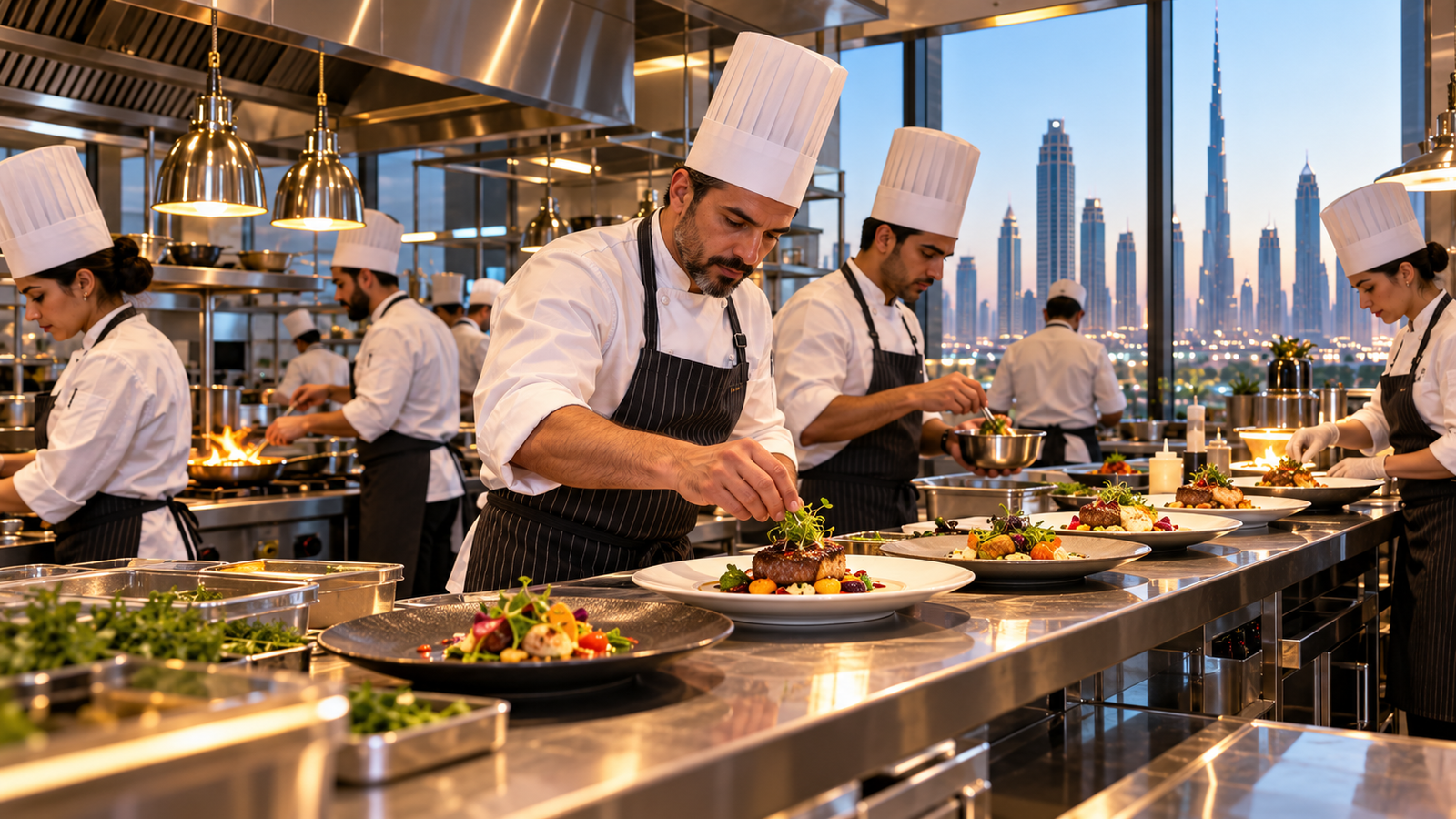
Culinary Training for Hospitality Professionals in Dubai
The hospitality industry depends on skilled professionals who can deliver consistent food quality, maintain safe kitchen operations, manage preparation efficiently, and meet customer expectations. For chefs, kitchen staff, hotel employees, restaurant teams, and other hospitality professionals, ongoing training can help strengthen these abilities.
Culinary training for hospitality professionals provides an opportunity to develop practical cooking techniques while improving knowledge of food preparation, kitchen organization, food safety, menu production, and professional kitchen operations.
Hospitality professionals often work in fast-paced environments where timing, consistency, teamwork, hygiene, and organization are essential. A structured culinary course can help professionals improve these areas while developing new skills.
For professionals in Dubai, a culinary course for hospitality professionals Dubai can be particularly useful for those who want to strengthen their existing culinary knowledge, prepare for greater responsibilities, or expand their professional skill set.
Why Is Culinary Training Important for Hospitality Professionals?
Hospitality professionals work in environments where food quality and service standards directly affect the guest experience.
Even experienced kitchen staff can benefit from continued learning because culinary techniques, equipment, menus, food trends, and operational practices continue to develop.
Professional culinary training can help improve:
- Food preparation
- Cooking techniques
- Knife skills
- Kitchen organization
- Food safety
- Hygiene
- Ingredient handling
- Portion control
- Presentation
- Time management
- Team coordination
- Kitchen efficiency
Training can also help professionals identify areas where their existing methods can be improved.
Culinary Course for Hospitality Professionals Dubai
A culinary course for hospitality professionals Dubai can be designed around the needs of people who already have some experience in hotels, restaurants, catering companies, cafes, or other food-service environments.
Unlike an introductory course designed entirely for beginners, professional training can focus more heavily on practical application and workplace requirements.
Topics may include:
- Professional food preparation
- Cooking techniques
- Kitchen organization
- Food safety
- Menu preparation
- Ingredient management
- Food presentation
- Portion control
- Kitchen workflow
The exact curriculum depends on the training provider and course level.
Culinary Training for Hospitality Staff Dubai
Hospitality operations depend on teamwork.
Culinary training for hospitality staff Dubai can help different members of a kitchen team understand consistent preparation methods and professional kitchen standards.
Training can be useful for:
- Commis chefs
- Line cooks
- Kitchen assistants
- Restaurant staff
- Hotel kitchen employees
- Catering staff
- Food production staff
- Junior chefs
Training can also help employees understand how their individual responsibilities contribute to the overall kitchen workflow.
Professional Culinary Training Dubai
Professional culinary training Dubai can combine culinary theory with practical kitchen exercises.
Professional learners can develop skills in areas such as:
Food Preparation
Understanding how to prepare ingredients correctly is an important foundation.
Cooking Techniques
Learners can practice techniques such as sautéing, roasting, grilling, baking, boiling, steaming, and other methods.
Food Presentation
Presentation can influence how guests perceive a dish.
Kitchen Organization
Organized preparation can help kitchens operate efficiently.
Food Safety
Safe food handling is essential for protecting customers and maintaining professional standards.
Culinary Course for Professionals Dubai
A culinary course for professionals Dubai can help hospitality workers build on their existing experience.
Professionals may already understand basic kitchen procedures, so training can focus on improving technique, consistency, efficiency, and knowledge.
For example, a chef with experience in general food preparation may want to improve skills in:
- International cuisine
- Pastry
- Baking
- Sauce preparation
- Meat preparation
- Seafood
- Plating
- Menu development
- Kitchen supervision
Specialization can depend on the individual's career goals.

Culinary Classes for Hospitality Professionals Dubai
Culinary classes for hospitality professionals Dubai can provide an environment where professionals learn through demonstrations and practical exercises.
A typical class may involve:
- Instructor demonstration
- Explanation of ingredients and techniques
- Practical preparation
- Cooking
- Plating
- Evaluation
- Feedback
This structure can help learners understand both the technique and the reason behind it.
Professional Culinary Course Dubai
A professional culinary course Dubai can cover the skills required to work effectively in professional kitchen environments.
Depending on the program, learners may study:
- Culinary fundamentals
- Food preparation
- Cooking methods
- Kitchen equipment
- Food safety
- Hygiene
- Menu planning
- Portion control
- Plating
- Kitchen management
The combination of these skills can help professionals improve their overall understanding of culinary operations.
Culinary Arts Training Dubai
Culinary arts training Dubai introduces learners to the creative and technical sides of cooking.
Culinary arts can involve much more than following recipes.
Professionals need to understand:
- Flavor
- Texture
- Ingredients
- Cooking temperatures
- Seasoning
- Presentation
- Portion sizes
- Timing
Practical training gives professionals an opportunity to experiment with these elements while receiving guidance from instructors.
Chef Training for Hospitality Professionals Dubai
Chef training for hospitality professionals Dubai can help kitchen employees develop their culinary techniques and professional knowledge.
Depending on the level of the course, training may cover:
- Knife skills
- Stocks and sauces
- Meat preparation
- Seafood preparation
- Vegetable preparation
- Cooking techniques
- Plating
- Menu production
- Kitchen organization
Professionals preparing for supervisory responsibilities may also benefit from training in kitchen management and team coordination.
Culinary Skills Training Dubai
Strong culinary skills are built through repeated practice.
Culinary skills training Dubai can help professionals strengthen areas such as:
Knife Skills
Proper cutting techniques can improve consistency, preparation speed, and presentation.
Cooking Techniques
Understanding how different cooking methods affect ingredients is essential.
Seasoning
Professionals need to understand how salt, herbs, spices, acids, and other ingredients influence flavor.
Plating
Presentation involves arrangement, balance, color, portion size, and visual appeal.
Timing
Professional kitchens often prepare multiple dishes simultaneously, making timing and organization important.
Practical Culinary Training Dubai
Theory can explain how a technique works, but practical training allows professionals to perform it.
Practical culinary training Dubai can involve preparing complete dishes under instructor supervision.
Learners may practice:
- Ingredient preparation
- Mise en place
- Cooking
- Sauce preparation
- Plating
- Portioning
- Cleaning
- Kitchen organization
Hands-on practice can also help learners identify mistakes and improve their techniques.
Hands-On Culinary Training Dubai
Hands-on culinary training Dubai gives hospitality professionals direct experience with kitchen equipment, ingredients, preparation techniques, and professional workflows.
Instead of simply watching an instructor prepare a dish, participants can perform the process themselves.
This can include:
- Selecting ingredients
- Preparing ingredients
- Measuring quantities
- Applying cooking techniques
- Adjusting seasoning
- Plating
- Evaluating the final dish
Repeated practice can help develop confidence and consistency.
Culinary Certification Course Dubai
A culinary certification course Dubai can provide documentation of completed professional training.
A certificate can demonstrate that an individual has completed a particular course or training program.
However, professionals should look beyond certification when selecting a course.
Important factors include:
- Course curriculum
- Practical training
- Instructor experience
- Kitchen facilities
- Food safety coverage
- Project work
- Course duration
- Skill level
A combination of practical ability and documented training can provide a more complete professional profile.
Food Preparation Training Dubai
Food preparation is one of the foundations of professional culinary work.
Food preparation training Dubai can cover:
- Ingredient selection
- Washing
- Peeling
- Cutting
- Portioning
- Marinating
- Measuring
- Mise en place
- Storage
- Preparation timing
Proper preparation can improve kitchen efficiency and help maintain consistency during service.
Food Safety Training Dubai
Food safety is essential in any professional food-service environment.
Food safety training Dubai can help hospitality professionals understand safe food-handling practices.
Topics may include:
- Personal hygiene
- Cross-contamination prevention
- Safe food storage
- Temperature control
- Cleaning and sanitation
- Allergen awareness
- Safe handling of raw ingredients
- Kitchen hygiene
Food safety practices should follow applicable local regulations and workplace procedures.
Kitchen Management Training Dubai
Experienced hospitality professionals may eventually take on supervisory responsibilities.
Kitchen management training Dubai can introduce professionals to the organizational side of kitchen operations.
Topics can include:
- Kitchen workflow
- Staff coordination
- Inventory management
- Food cost awareness
- Portion control
- Waste reduction
- Preparation schedules
- Equipment organization
- Hygiene monitoring
- Team communication
Kitchen management involves both culinary knowledge and operational discipline.
Culinary Training Course Dubai
A complete culinary training course Dubai can combine several areas into one structured program.
For hospitality professionals, an effective course may include:
Culinary Fundamentals
Understanding ingredients, equipment, techniques, and kitchen terminology.
Food Preparation
Learning efficient and consistent preparation methods.
Cooking
Practicing different cooking techniques.
Presentation
Learning how to present food professionally.
Food Safety
Understanding safe handling, hygiene, and storage.
Kitchen Management
Learning how to organize people, ingredients, equipment, and workflow.
Culinary Training in Dubai for Different Hospitality Roles
Different hospitality professionals may have different training requirements.
Chefs
Chefs may focus on advanced cooking techniques, menu development, presentation, and kitchen leadership.
Commis Chefs
Junior chefs may benefit from foundational cooking, preparation, knife skills, and kitchen organization.
Kitchen Assistants
Kitchen assistants may focus on food preparation, hygiene, storage, and basic culinary techniques.
Restaurant Staff
Restaurant employees can benefit from understanding food preparation, ingredients, allergens, and kitchen-service coordination.
Catering Professionals
Catering staff may need additional skills related to bulk preparation, transportation, timing, and large-scale service.
Improving Efficiency in a Professional Kitchen
Professional kitchens operate under time pressure.
Efficiency can be improved through careful planning and organization.
Important practices include:
- Preparing ingredients in advance
- Organizing workstations
- Maintaining clean equipment
- Following preparation schedules
- Using standardized recipes
- Controlling portions
- Communicating with team members
- Monitoring stock
- Reducing unnecessary waste
Culinary training can help professionals understand how these practices influence kitchen performance.
The Importance of Mise en Place
Mise en place is an important concept in professional kitchens.
It generally refers to preparing and organizing ingredients and equipment before cooking begins.
Good mise en place can involve:
- Preparing ingredients
- Measuring quantities
- Organizing tools
- Preparing sauces
- Setting up the workstation
- Checking equipment
- Reviewing the production schedule
Effective preparation can help reduce delays during service.
Developing Consistency in Culinary Work
Consistency is important in professional hospitality.
Guests expect dishes to maintain a similar standard each time they order them.
Professionals can improve consistency through:
- Standardized recipes
- Accurate measurements
- Consistent portion sizes
- Proper cooking temperatures
- Timing
- Quality ingredients
- Organized preparation
- Regular quality checks
Practical culinary training can give professionals opportunities to practice these principles repeatedly.
How Culinary Training Supports Career Development
Professional training can help hospitality workers identify areas for development.
Someone who starts as a kitchen assistant may gradually develop skills that support progression toward more advanced kitchen responsibilities.
A possible pathway could include:
Kitchen Assistant → Commis Chef → Chef de Partie → Sous Chef → Executive Chef
Actual career progression varies depending on qualifications, experience, workplace structure, performance, and available opportunities.
Training does not guarantee a particular job title or promotion, but it can contribute to professional development.
Culinary Career Training Dubai
Culinary career training Dubai can help professionals prepare for different areas of the hospitality industry.
Potential areas include:
- Hotels
- Restaurants
- Catering companies
- Cafes
- Resorts
- Food production
- Private kitchens
- Institutional food services
Some professionals may also choose to specialize in areas such as pastry, bakery, international cuisine, healthy cooking, or food production management.
How to Choose a Culinary Course for Hospitality Professionals
Before enrolling, hospitality professionals should consider their current experience and career goals.
Review the Curriculum
Check whether the course covers the skills you want to develop.
Look for Practical Training
Hands-on kitchen practice can be particularly valuable for culinary professionals.
Check Food Safety Content
Make sure safe food handling and hygiene are included where relevant.
Consider Kitchen Management
Professionals aiming for supervisory positions may benefit from operational training.
Review the Course Level
A beginner course may not provide enough challenge for an experienced chef, while an advanced course may be difficult for someone new to professional kitchens.
What Should Hospitality Professionals Practice After Training?
Training becomes more valuable when skills are practiced consistently.
Professionals can continue developing their abilities by:
- Practicing new recipes
- Improving knife skills
- Experimenting with ingredients
- Practicing plating
- Reviewing food safety procedures
- Studying different cuisines
- Improving kitchen organization
- Tracking preparation times
- Learning new cooking techniques
Continuous practice can help transform training knowledge into practical ability.
Final Thoughts on Culinary Training for Hospitality Professionals
The hospitality industry requires professionals who can combine culinary skill with speed, consistency, hygiene, organization, teamwork, and attention to detail.
Culinary training for hospitality professionals can provide a structured way to strengthen these skills through practical instruction and hands-on kitchen experience.
A professional culinary course for hospitality professionals Dubai may cover food preparation, cooking techniques, culinary arts, food safety, kitchen organization, food presentation, and kitchen management. These areas can be particularly useful for chefs, commis chefs, kitchen assistants, restaurant staff, catering professionals, and other hospitality workers.
Practical learning is an important part of culinary development. Through hands-on culinary training Dubai, professionals can practice preparation, cooking, plating, timing, and workstation organization while receiving feedback.
For professionals looking to develop their careers, culinary career training Dubai can also provide a foundation for exploring different areas of the hospitality industry. Continued learning, practical experience, and consistent performance can all contribute to long-term professional development.
When selecting a course, consider the curriculum, practical kitchen sessions, instructor support, food safety content, course level, and relevance to your career goals. A well-structured training program can help hospitality professionals strengthen their culinary foundation and continue developing their skills in a demanding and dynamic industry.